
Latest from the EV Charging Infrastructure Frontline
In-depth analysis, technical briefings, and regulatory updates from the leaders shaping the operational response to commercial-scale EV charging deployment across North America.
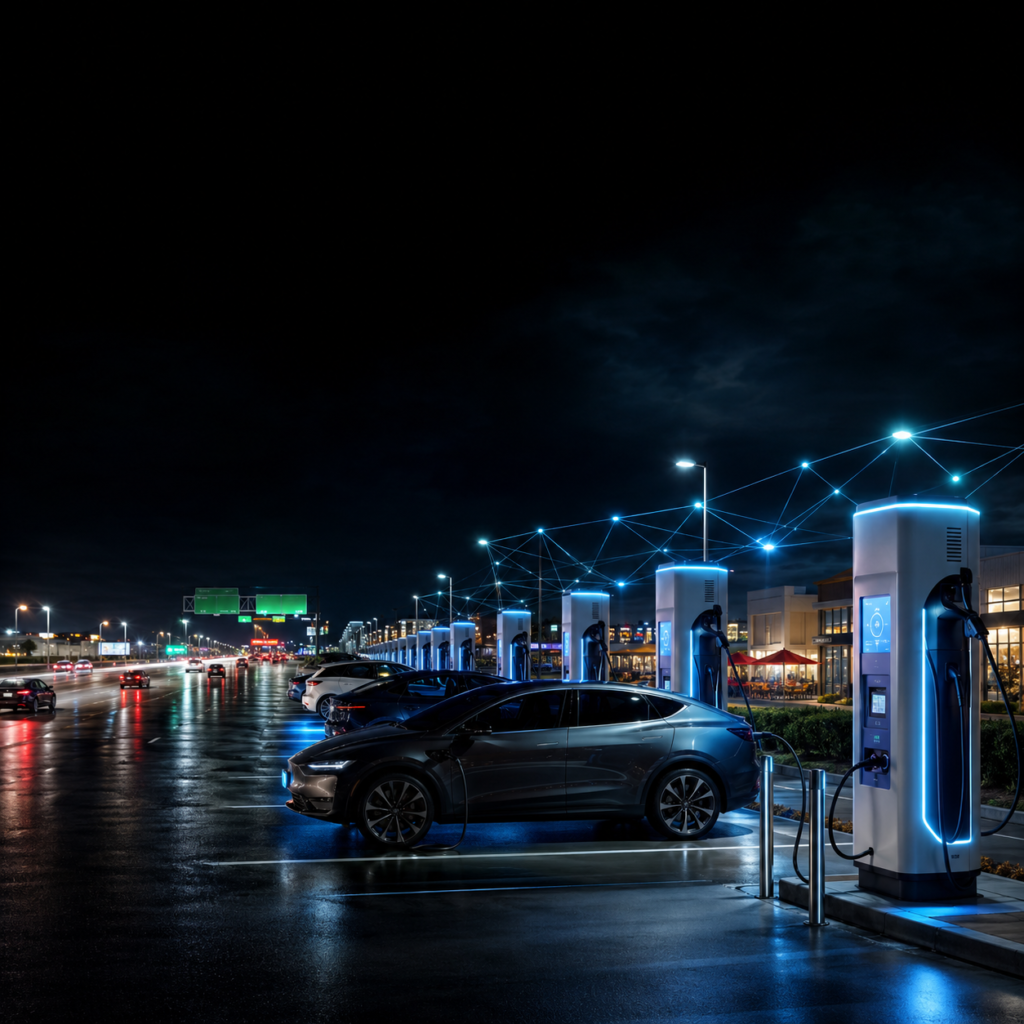
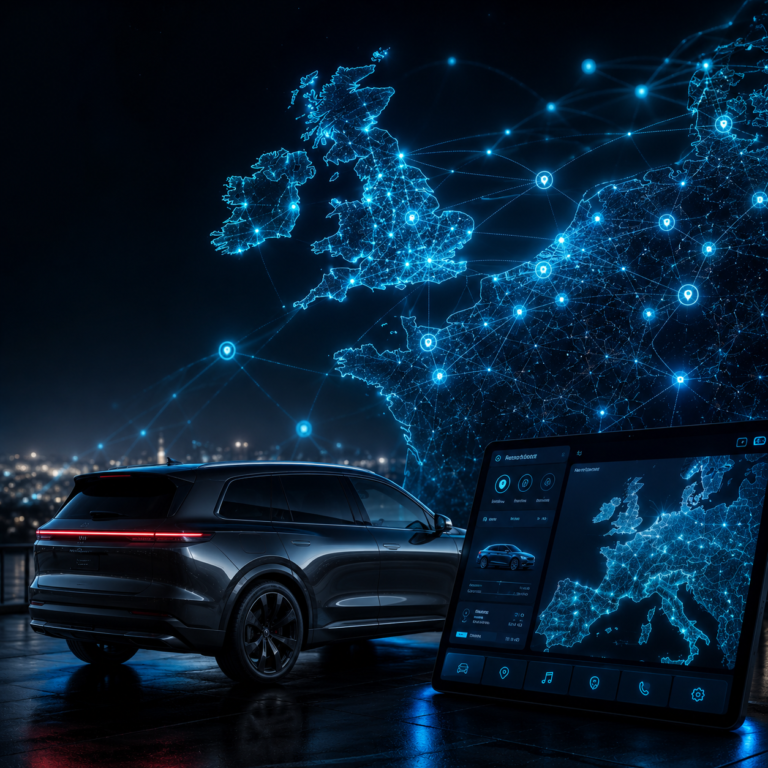
JLR Expands EV Charging Network Access with 75,000 Public Charge Points Across the UK
Jaguar Land Rover (JLR) has expanded its public charging offering by giving customers access to 75,000 charge points...
Read More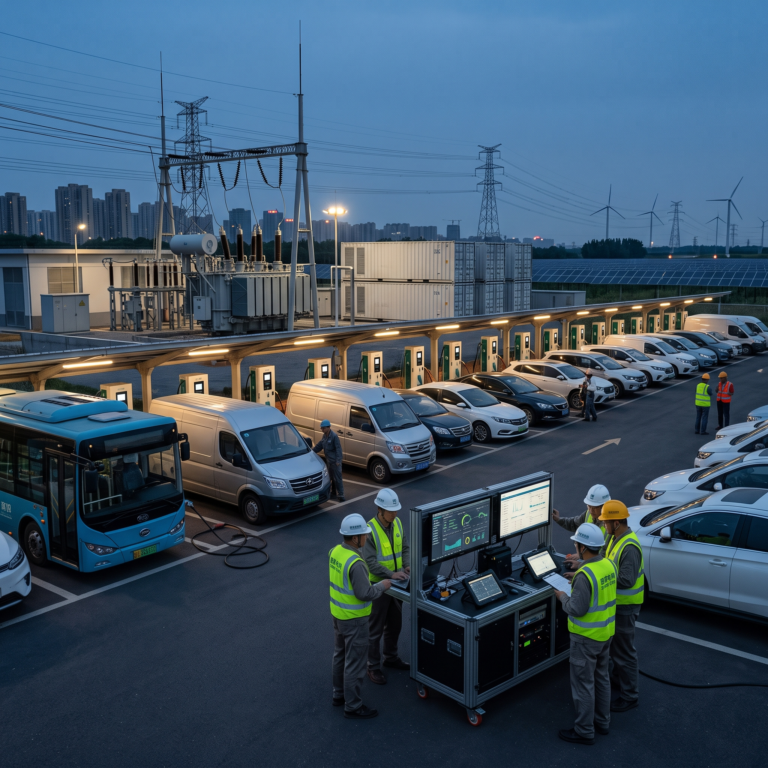
China’s 40 Million Charger Plan Is Really an Energy Strategy
China’s plan to expand its EV charging network to 40 million charging points by 2030 is more than...
Read More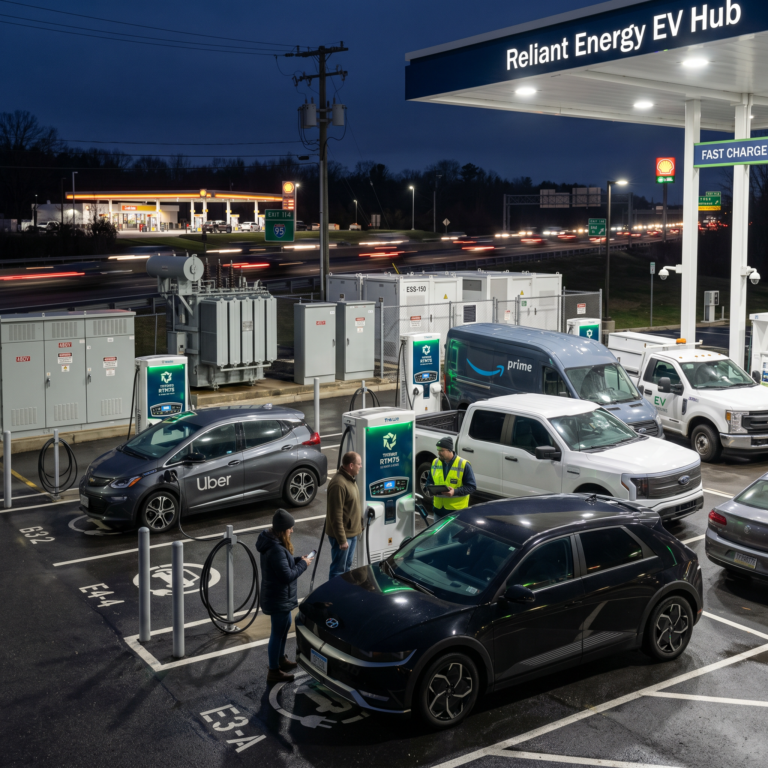
As EV Adoption Grows, Charging Reliability Takes Center Stage
For much of the past decade, the biggest question surrounding electric vehicles was whether drivers could afford them. ...
Read More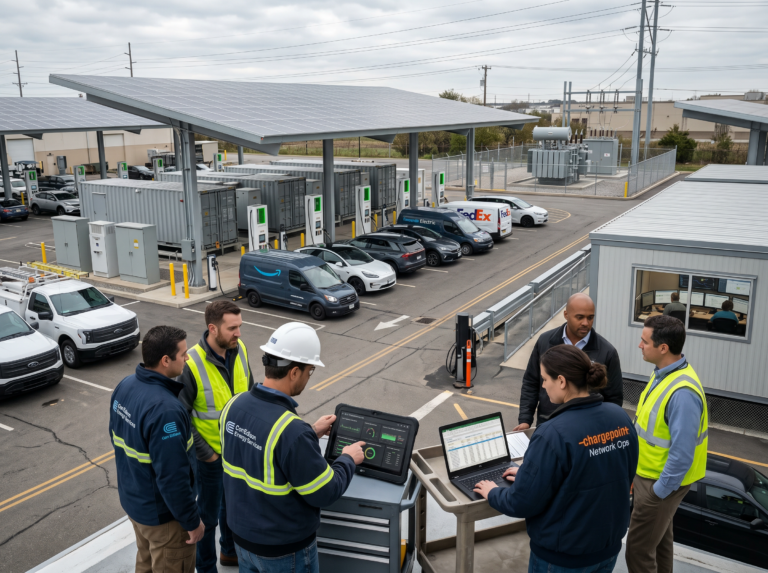
EV Charging Companies Are Quietly Becoming Energy Companies
Most of the EV charging industry still talks about chargers. Utilities, fleet operators, and infrastructure investors are increasingly...
Read More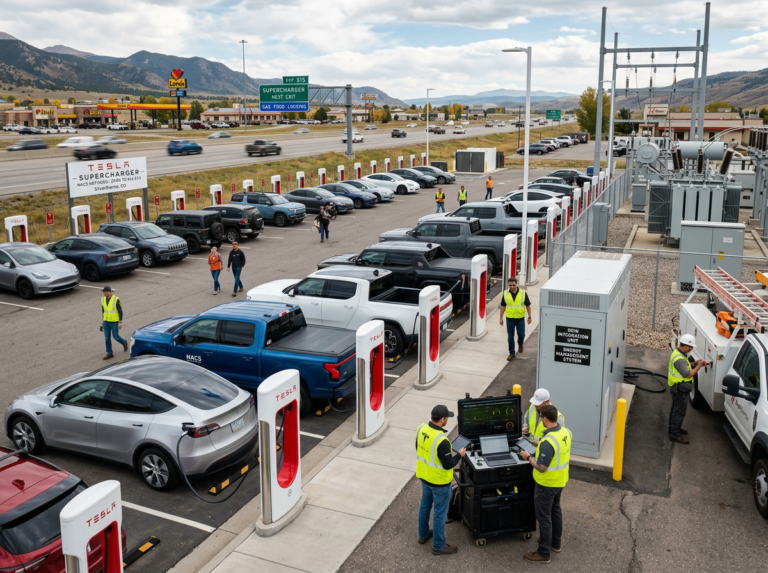
How Tesla’s Supercharger Network Became the Continental Default
The strategic moat surrounding Tesla’s charging infrastructure has transformed into the primary foundation for North American electric vehicle...
Read More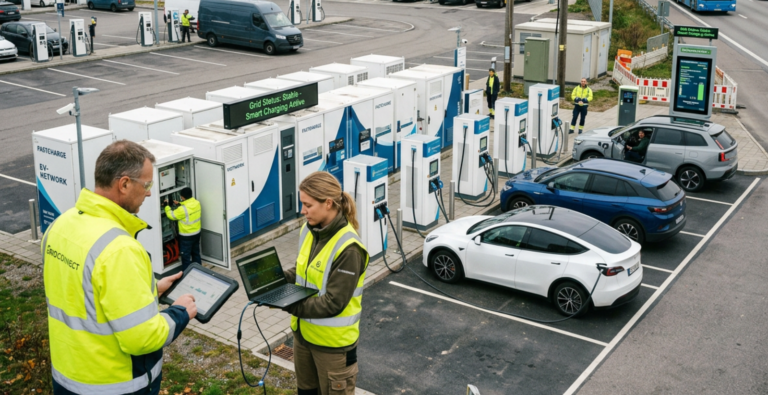
EV Adoption Trends 2026: What Charging Providers Must Prepare For
EV adoption in 2026 has moved beyond early-stage growth and is now entering a phase of mass-scale deployment....
Read More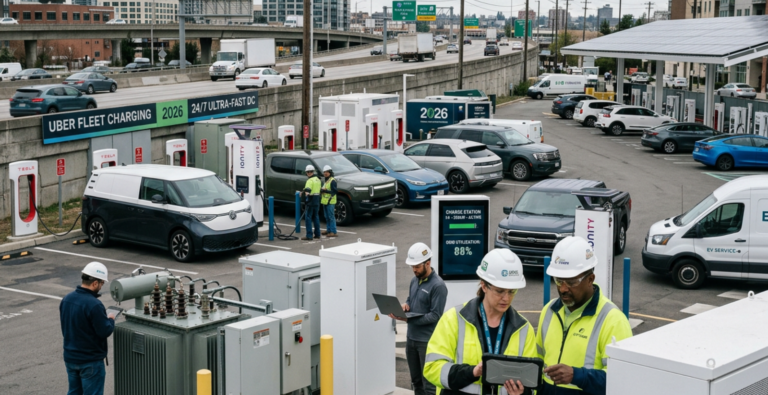
Global EV Charging Infrastructure Trends 2026: Fast Charging, Smart Grids, and Market Expansion
Global EV Charging Infrastructure Trends 2026 The global EV charging infrastructure market in 2026 is entering a high-growth,...
Read More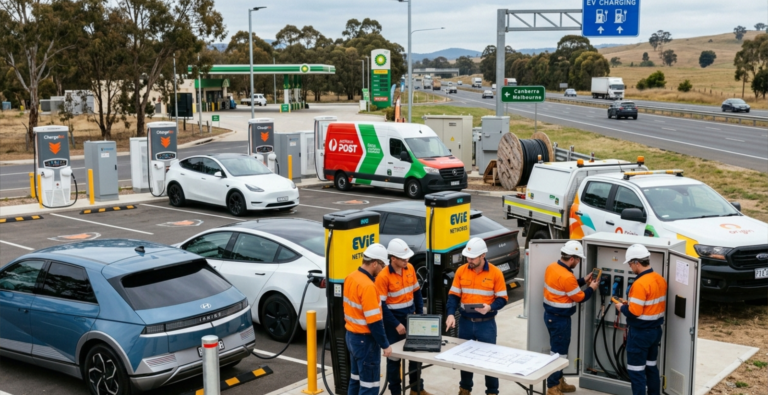
Australia Accelerates EV Charging Expansion as Electric Vehicle Adoption Surges
Australia Accelerates EV Charging Infrastructure Expansion Amid Rapid EV Adoption Australia is entering a decisive phase in its...
Read More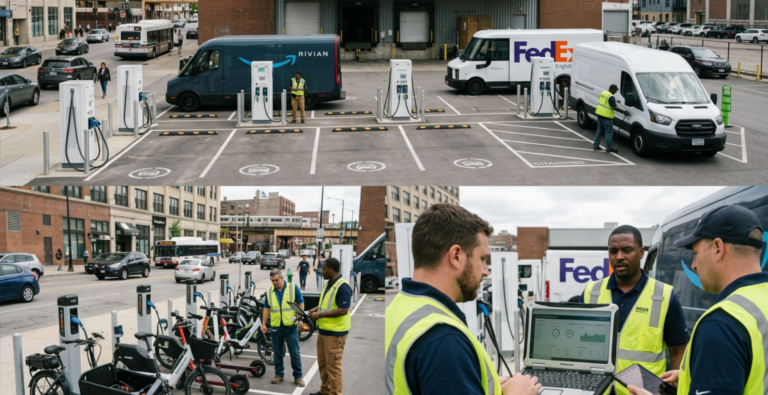
The Last-Mile Shift: Redefining US EV Infrastructure for Scalable Electrification
The strategic narrative for EV infrastructure in the United States has moved beyond the highway fast-charging network. In...
Read More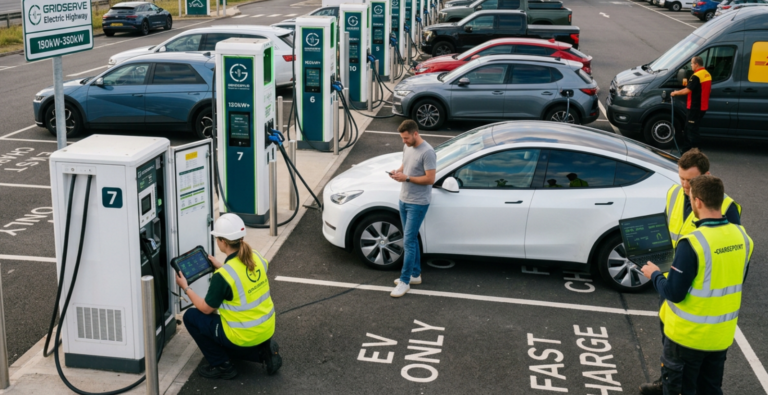
EV Charging in 2026: The Infrastructure Shift Reshaping Global Mobility
From Expansion to Optimization The global EV ecosystem is entering a new phase. The early challenge-building enough charging...
Read More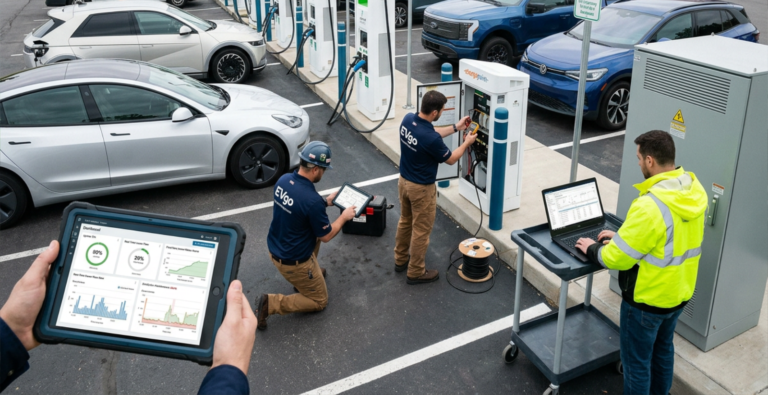
The Orchestration Era: Monetizing and Automating the 2026 Grid
The second week of March 2026 has confirmed that the primary challenge for EV infrastructure is no longer...
Read More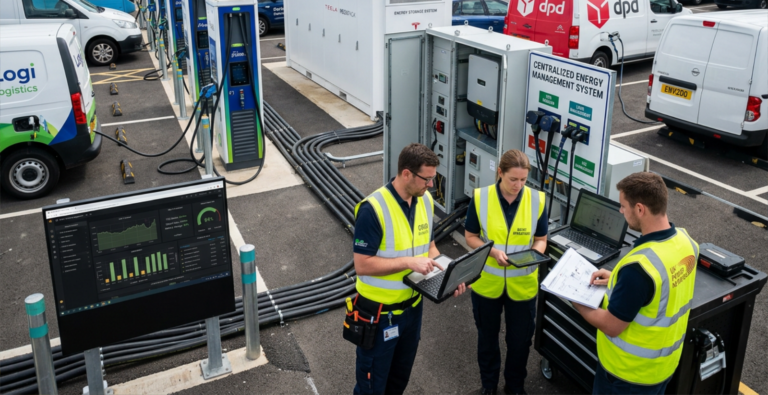
The Reliability Mandate: Orchestrating the 2026 Charging Network
The expansion of EV charging infrastructure has transitioned into a phase defined by operational excellence and legal accountability....
Read More