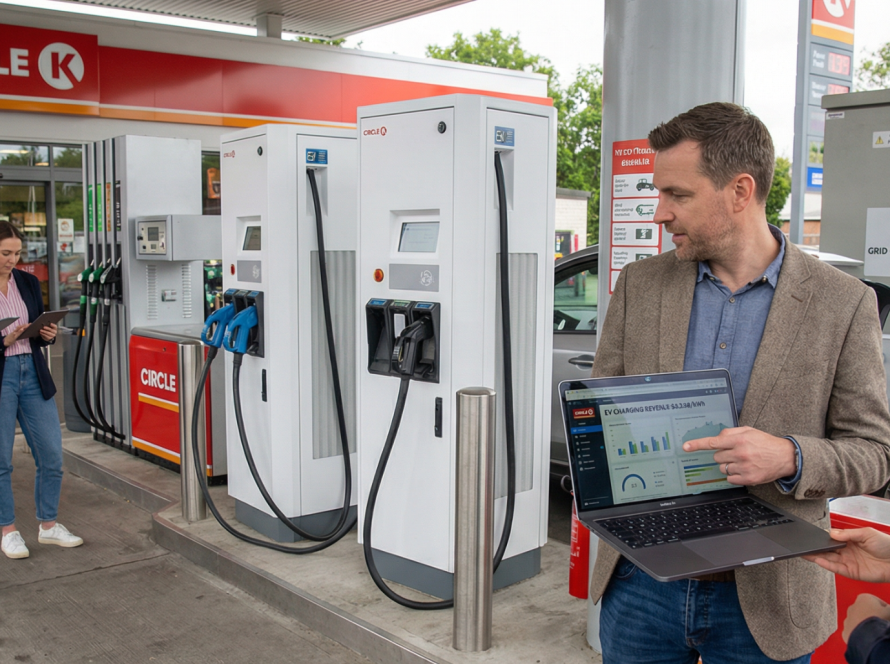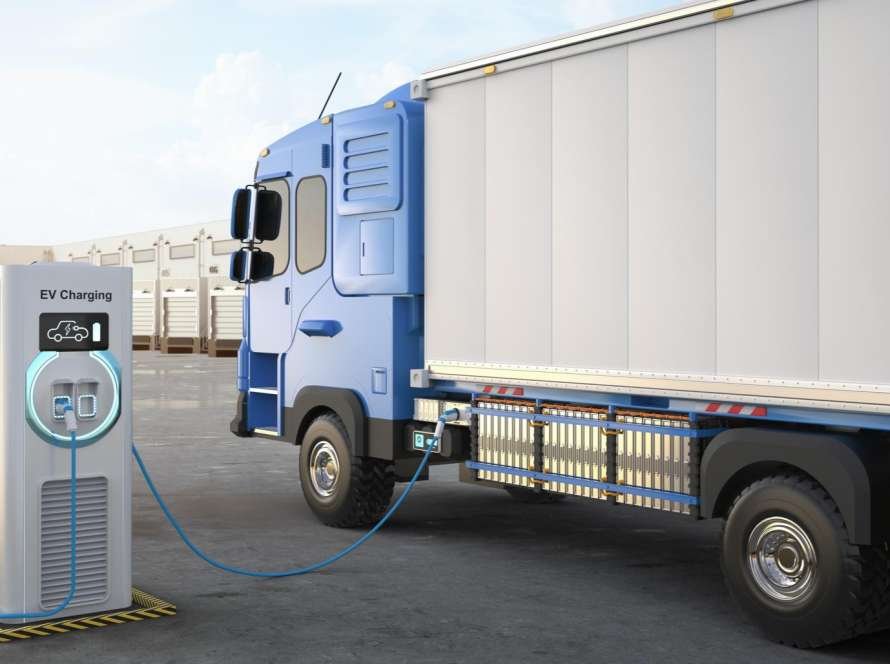
The electric-vehicle revolution has moved from early excitement to strategic priority. Automakers, utilities, and investors all agree on one persistent barrier slowing progress: the lack of EV charging transparency.
Even as EVs gain longer range and faster charging times, most drivers still face uncertainty about whether public chargers work or how much they cost. This lack of visibility is more than a technical issue. It’s a business and consumer confidence problem that limits growth across the global mobility ecosystem.
The Data Desert Problem
Every EV driver knows the anxiety that comes with an empty battery and an unreliable charging map. While apps show locations, they rarely confirm if chargers are operational. Globally, less than 40 percent of fast chargers share real-time data on availability or price.
This gap creates what experts call data deserts, long stretches where drivers have no trusted information about charging options. The result is fewer long-distance trips, lost trust, and missed opportunities for charging-network operators. For companies investing billions in infrastructure, each idle or broken charger means lost revenue and reduced customer satisfaction.
Why Transparency Drives Business Performance
For senior leaders, data transparency is no longer an ESG checkbox. It’s a measurable driver of customer experience, operational efficiency, and market growth.
Customer Experience Equals Market Share. Accurate, real-time information lets drivers plan trips confidently. Fewer failed charging attempts lead to better brand perception and repeat customers.
Higher Asset Utilization. Transparent data helps networks analyze demand, monitor maintenance needs, and maximize uptime. Every additional percentage point of utilization directly improves return on investment.
Investor Confidence. Markets reward companies that deliver verifiable performance data. Networks that share uptime and usage metrics attract more capital and strategic partnerships.
Regulatory Advantage. Governments across major markets now tie funding and permits to open-data compliance. Companies that move early on transparency gain faster access to subsidies and public contracts.
Transparency is becoming a business advantage, not a compliance cost. Executives who treat it as a core competency will lead the next phase of EV infrastructure expansion.
A Global Shift Toward Open Data
The momentum toward open EV data is growing across regions.
United States: The Bipartisan Infrastructure Law mandates funded fast chargers to report real-time status. States such as California and New York are introducing similar open-data requirements.
European Union: The Alternative Fuels Infrastructure Regulation (AFIR) requires standardized public reporting on charger status and pricing.
Asia-Pacific: China and India are both developing national databases that track charger availability and tariff information.
This global convergence around data standards shows that interoperability and transparency are now central to how the EV industry will scale.
The Measurable Impact
Research indicates that universal real-time charger data could raise EV adoption by six percentage points annually through 2030. That equates to 3.5 million additional EVs and a reduction of 15 million metric tons of CO₂ emissions each year.
The business benefit is equally significant. Transparent data helps optimize existing infrastructure, increase charger throughput, and accelerate market growth without heavy new investment. In short, it delivers more value from assets already deployed.
How to Build a Transparent Charging Ecosystem
For leaders shaping the next decade of mobility, three priorities stand out:
- Standardize Data Protocols. Adopt global interoperability frameworks such as OCPI and OCPP to ensure seamless data exchange.
- Use Predictive Maintenance. Combine transparency with AI-based insights to predict equipment failures and reduce downtime.
- Forge Data Partnerships. Work with governments, automakers, and software platforms so that reliable charger information reaches every driver, regardless of brand.
Transparency, when combined with collaboration, enhances operational reliability and customer trust.
From Compliance to Competitive Advantage
The next wave of EV growth will depend not on the number of chargers installed but on the quality and visibility of those chargers. Reliable data builds trust, strengthens brand reputation, and opens doors to global partnerships.
For C-level executives, the key question is not whether to share charger data but how quickly they can turn transparency into measurable business growth. Those who act first will define the benchmarks of reliability, trust, and performance in the EV era.