
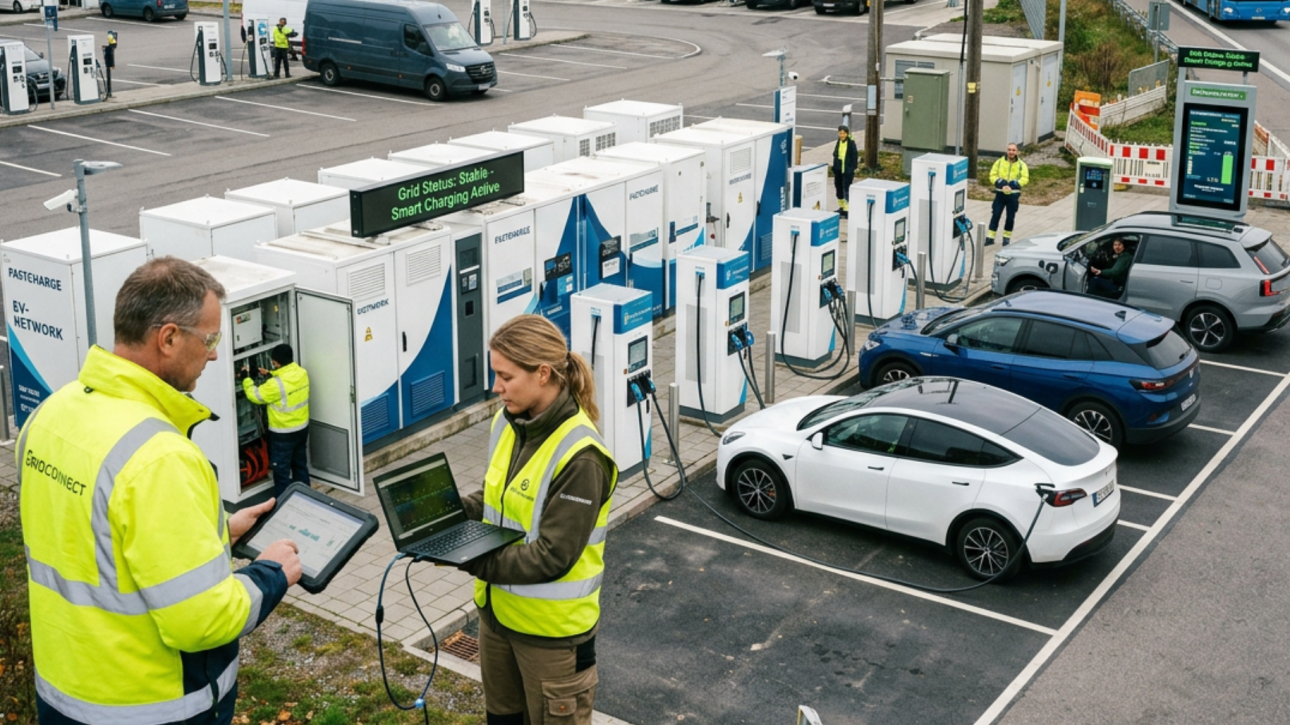
EV adoption in 2026 has moved beyond early-stage growth and is now entering a phase of mass-scale deployment. Across global markets, electric vehicles are becoming a mainstream mobility choice driven by policy support, cost efficiency, and infrastructure expansion.
However, charging infrastructure development is still struggling to keep pace with demand.
1. EV Adoption Is Expanding Beyond Cities
EV growth is no longer concentrated in urban centers. Suburban regions, highways, and semi-urban areas are now key growth zones.
This expansion is…
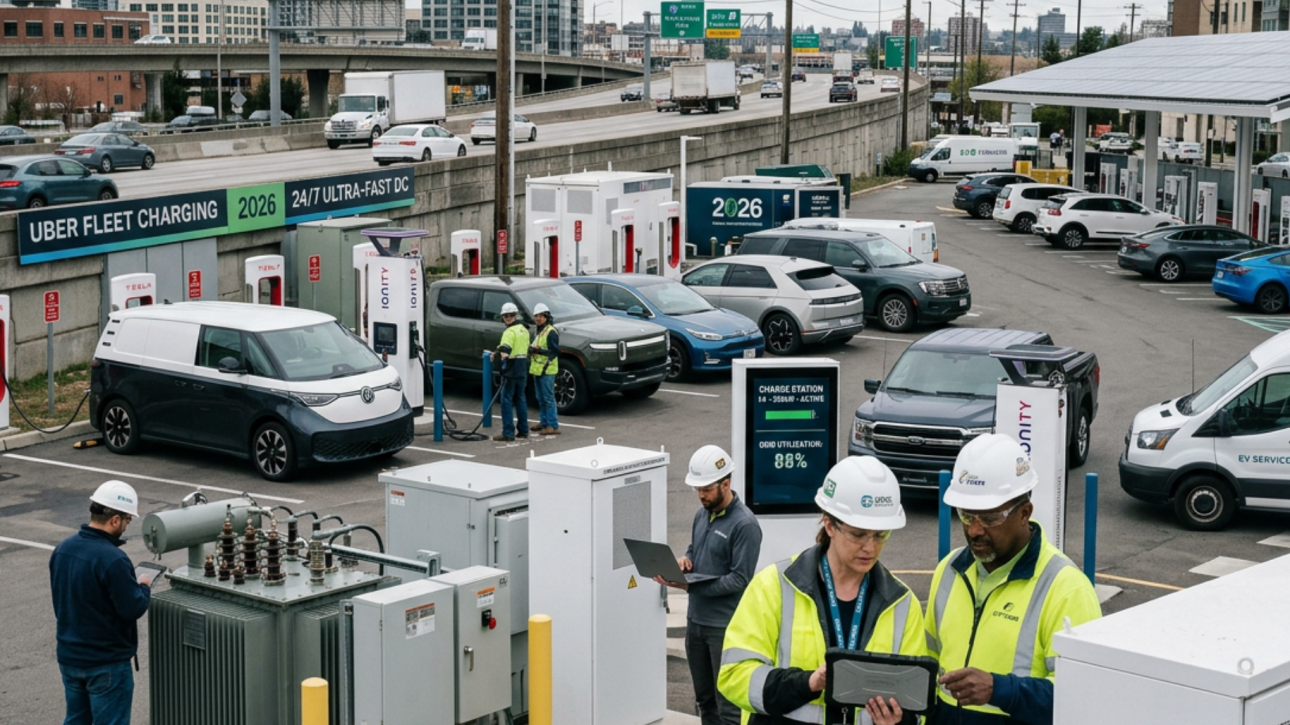
Global EV Charging Infrastructure Trends 2026
The global EV charging infrastructure market in 2026 is entering a high-growth, technology-driven phase. As electric vehicle adoption accelerates worldwide, charging infrastructure is becoming a critical foundation of the energy and mobility transition.
The focus is shifting from basic deployment to speed, scalability, and smart integration.
1. Strong Global Market Expansion
EV charging infrastructure is experiencing sustained global growth, supported by:
Rising EV adoption across passenger and commercial segments
Government incentives and decarbonization policies …
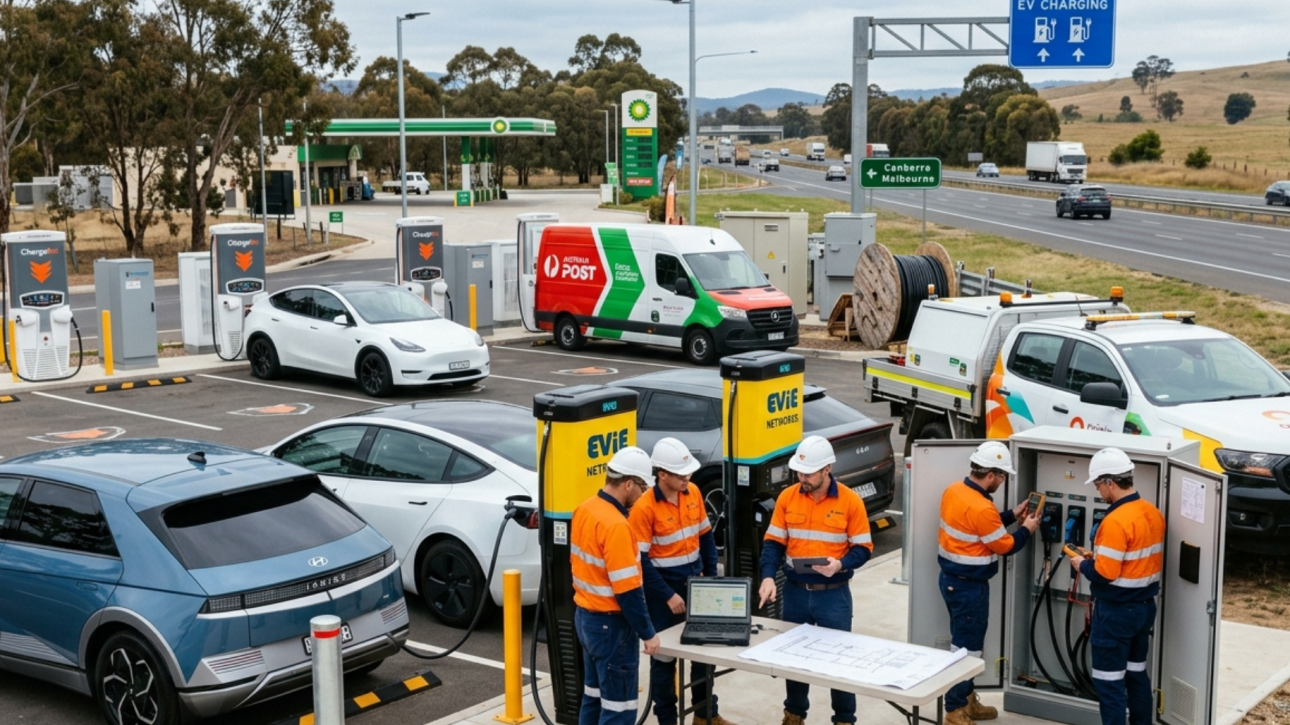
Australia Accelerates EV Charging Infrastructure Expansion Amid Rapid EV Adoption
Australia is entering a decisive phase in its electric mobility transition, with significant expansion planned for EV charging infrastructure in response to rapidly increasing electric vehicle adoption across the country.
This shift reflects a broader structural change in the transportation ecosystem, where clean mobility, energy security, and infrastructure readiness are converging as national priorities.
For C-level executives across energy, mobility, infrastructure, and automotive sectors, the development signals a clear direction:…
EV adoption in 2026 has moved beyond early-stage growth and is now entering a phase of mass-scale deployment. Across global markets, electric vehicles are becoming a mainstream mobility choice driven by policy support, cost efficiency, and infrastructure expansion.
However, charging infrastructure development is still struggling to keep pace with demand.
1. EV Adoption Is Expanding Beyond Cities
EV growth is no longer concentrated in urban centers. Suburban regions, highways, and semi-urban areas are now key growth zones.
This expansion is…
Global EV Charging Infrastructure Trends 2026
The global EV charging infrastructure market in 2026 is entering a high-growth, technology-driven phase. As electric vehicle adoption accelerates worldwide, charging infrastructure is becoming a critical foundation of the energy and mobility transition.
The focus is shifting from basic deployment to speed, scalability, and smart integration.
1. Strong Global Market Expansion
EV charging infrastructure is experiencing sustained global growth, supported by:
Rising EV adoption across passenger and commercial segments
Government incentives and decarbonization policies …
Australia Accelerates EV Charging Infrastructure Expansion Amid Rapid EV Adoption
Australia is entering a decisive phase in its electric mobility transition, with significant expansion planned for EV charging infrastructure in response to rapidly increasing electric vehicle adoption across the country.
This shift reflects a broader structural change in the transportation ecosystem, where clean mobility, energy security, and infrastructure readiness are converging as national priorities.
For C-level executives across energy, mobility, infrastructure, and automotive sectors, the development signals a clear direction:…