Executive Summary
Electric vehicles (EVs) are no longer a future consideration-they are an accelerating reality reshaping mobility, consumer behaviour, and retail economics. By 2026, EV adoption will reach a scale that fundamentally alters where drivers stop, how long they stay, and what they expect from convenience retail.
For C-suite leaders in the convenience store (c-store) sector, EV charging is not merely an operational upgrade. It is a strategic infrastructure decision with direct implications for revenue diversification, customer lifetime value, brand relevance, and long-term competitiveness.
Understanding the most critical 2026 EV charging trends today enables executives to allocate capital intelligently, mitigate risk, and position their organizations at the centre of the evolving energy and mobility ecosystem.
EV Adoption Is Scaling Faster Than Legacy Infrastructure
By 2026, EVs are expected to represent a materially larger share of the global vehicle fleet, driven by declining battery costs, regulatory tailwinds, and expanding model availability across consumer and commercial segments.
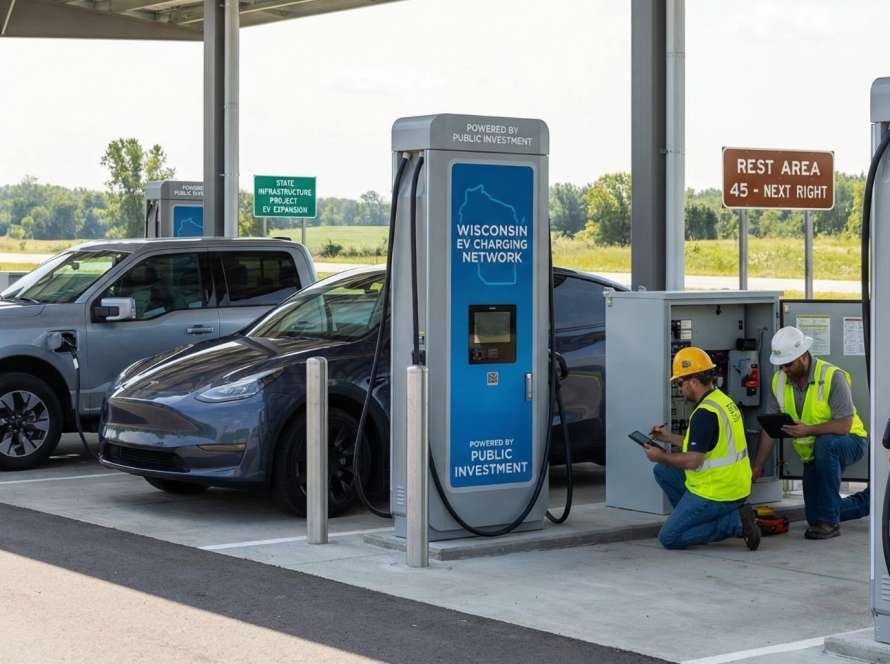
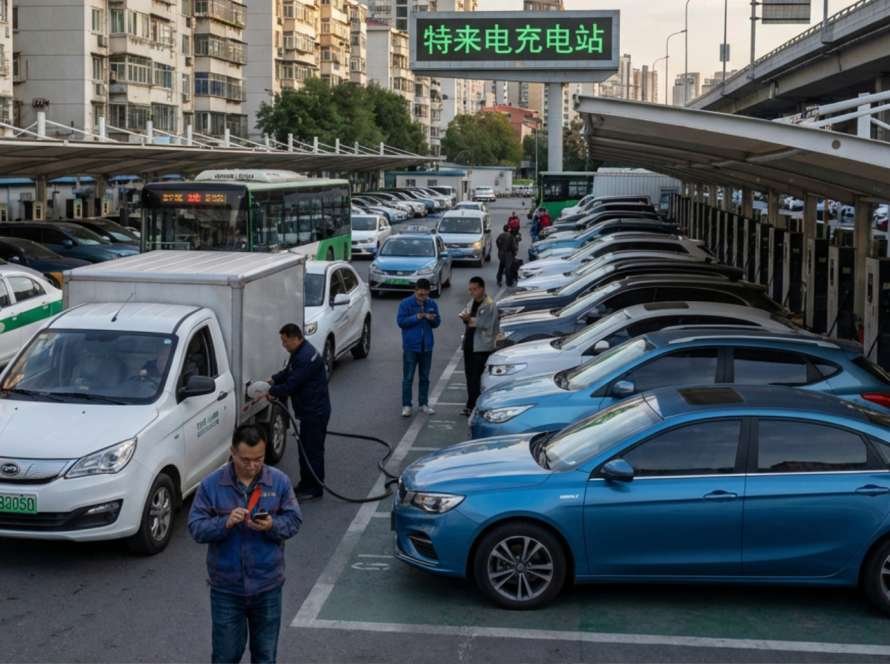
This shift is redefining fuelling behaviour. EV drivers increasingly expect charging access at locations integrated into daily routines-food, retail, rest, and services-not isolated charging depots. Convenience stores, with their existing real estate footprint and high-traffic locations, are structurally advantaged to meet this demand.
For executive leadership, the implication is clear: EV charging is becoming a core traffic driver, not a peripheral amenity.
Charging Speed Is Emerging as a Competitive Differentiator
One of the most consequential 2026 EV charging trends is the stratification of charging speed-and its direct impact on customer dwell time, throughput, and site economics.
Level 2 Charging
Level 2 chargers remain valuable at locations where customers naturally dwell for 20–40 minutes. These chargers support foodservice, coffee, and in-store browsing while reinforcing repeat visitation.
DC Fast Charging
DC fast chargers are increasingly essential for high-volume sites. Delivering meaningful range in under 40 minutes, they attract time-sensitive drivers while still enabling incremental in-store spend.
Ultra-Fast Charging (350 kW+)
By 2026, ultra-fast charging will be more common, enabling c-stores to serve next-generation EVs, fleet vehicles, and long-distance travellers. These systems reduce range anxiety and expand the addressable customer base.
From a leadership perspective, scalable charging infrastructure-designed to evolve over time-is critical to avoiding stranded assets and maintaining relevance as vehicle technology advances.
Dwell Time Is a Monetizable Strategic Asset
Unlike gasoline refuelling, EV charging introduces predictable dwell time. For c-store operators, this represents a structural shift in revenue dynamics.
EV drivers waiting for a charge are statistically more likely to:
- Purchase prepared food and beverages
- Engage with promotions and loyalty programs
- Utilize on-site amenities
- Increase basket size through impulse buying
When aligned with merchandising, layout optimization, and customer experience strategy, EV charging transforms sites into higher-margin, multi-purpose destinations rather than transactional stops.
Smart Charging Infrastructure Is Now a Board-Level Consideration
As charging volumes increase, infrastructure intelligence becomes non-negotiable. One of the defining 2026 EV charging trends is the rise of smart chargers and integrated energy management systems.
These systems enable:
- Load balancing and peak-demand cost control
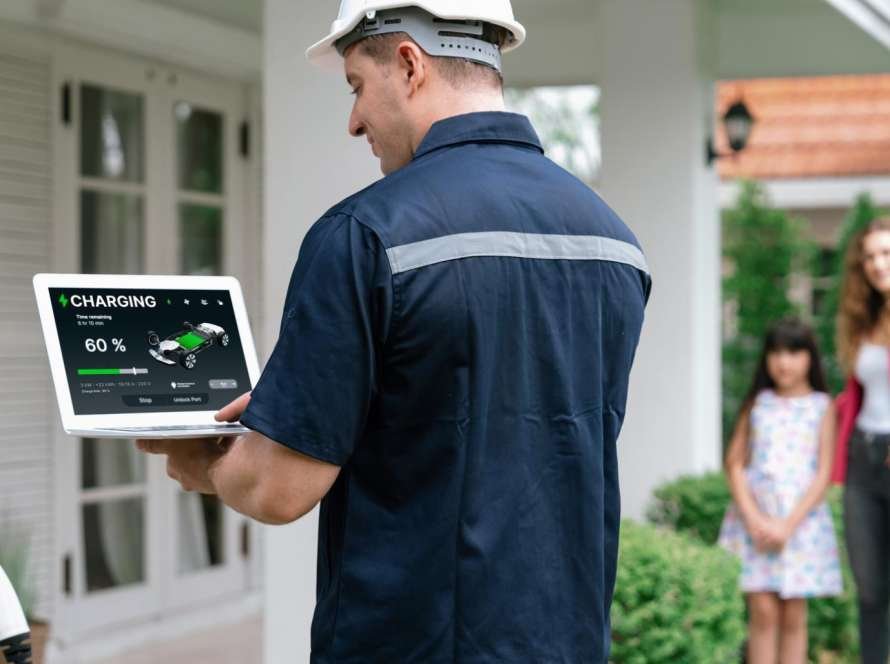
- Real-time monitoring and predictive maintenance
- Data-driven insights into customer behaviour and site performance
- Remote updates and operational scalability across portfolios
For multi-site operators, smart infrastructure is essential for cost containment, uptime assurance, and capital efficiency.
Brand Equity, ESG, and Market Perception Are Directly Impacted
EV charging is increasingly intertwined with brand perception. Consumers, investors, and partners are evaluating businesses through the lens of sustainability, innovation, and future readiness.
Deploying EV charging infrastructure signals:
- Long-term strategic thinking
- Alignment with energy transition goals
- Commitment to modern customer expectations
For executive leadership, EV charging supports not only customer acquisition but also ESG narratives, stakeholder confidence, and enterprise valuation.
Why Timing Matters: Early Movers Capture Structural Advantage
EV charging is already influencing traffic patterns and competitive positioning. Organizations that act decisively in the current cycle are better positioned to capture:
- Growing EV-driven foot traffic
- Higher dwell-time monetization
- Diversified, future-proof revenue streams
- Stronger brand differentiation
Understanding and acting on 2026 EV charging trends-including faster charging, smart infrastructure, and customer-centric deployment-allows leadership teams to move from reactive adoption to proactive market leadership.
Strategic Partnerships Reduce Risk and Accelerate ROI
EV charging deployment is complex, involving utilities, permitting, hardware, software, and long-term maintenance. Strategic partnerships allow executives to de-risk implementation while accelerating time to value.
Organizations like H&S Energy support c-store leaders in planning, designing, and executing EV charging strategies aligned with broader business objectives-not just hardware installation.
Closing Perspective
The transition to electric mobility is not a technology trend-it is a structural transformation of transportation and retail behaviour. For convenience store executives, EV charging represents a rare convergence of infrastructure, data, customer experience, and long-term growth.
Those who lead decisively in this transition will define the next generation of convenience retail.
Learn about Thought Xchange Network, a global platform for energy leaders, innovators, and policymakers driving the energy transition